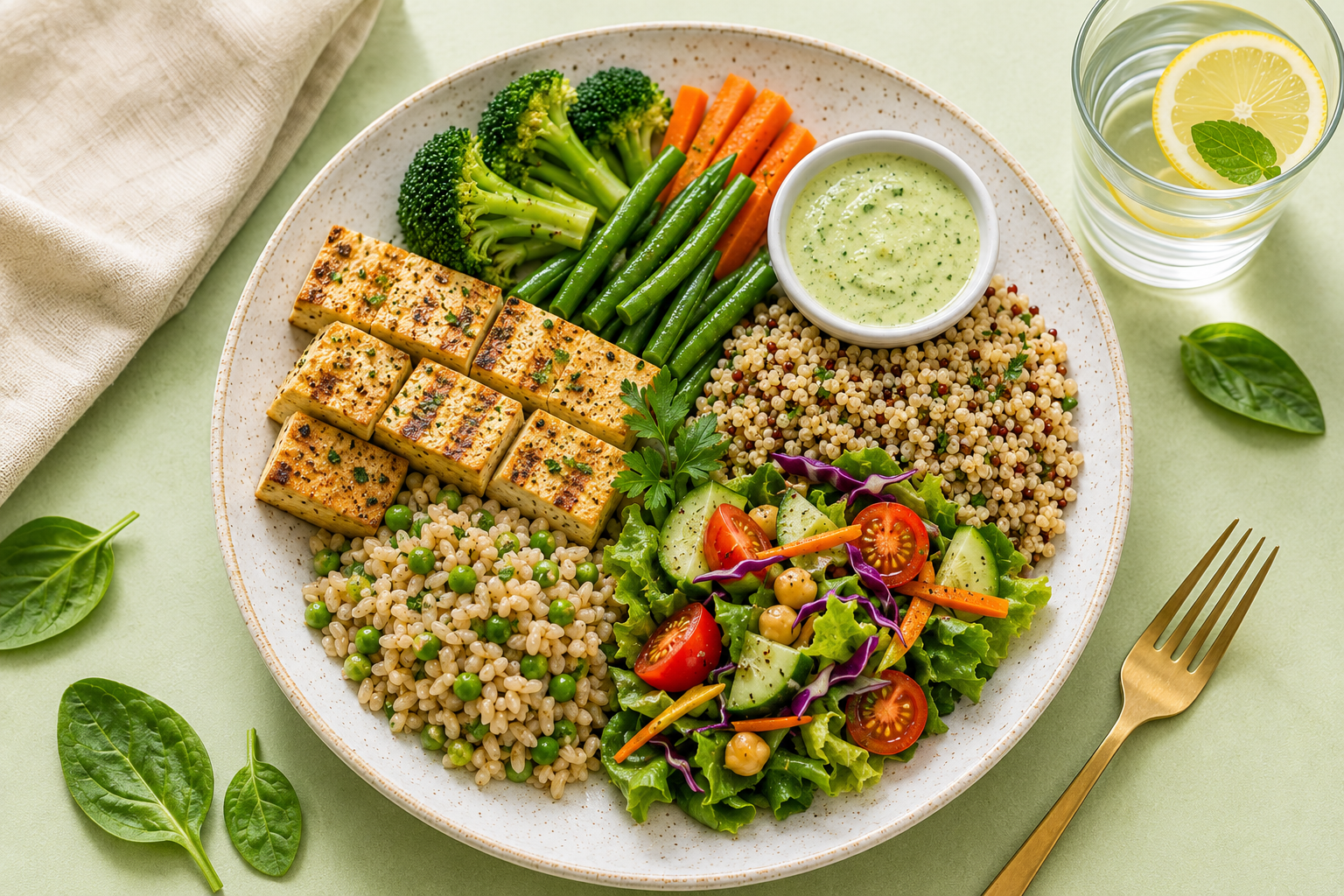
Including enough protein in your daily vegetarian diet may help control hunger, maintain muscle mass, and make your meals more satisfying.
Let's understand how protein can help with weight loss.
What Is Protein?
Protein is an essential nutrient that your body needs to build and maintain muscles, tissues, and support many important body functions.
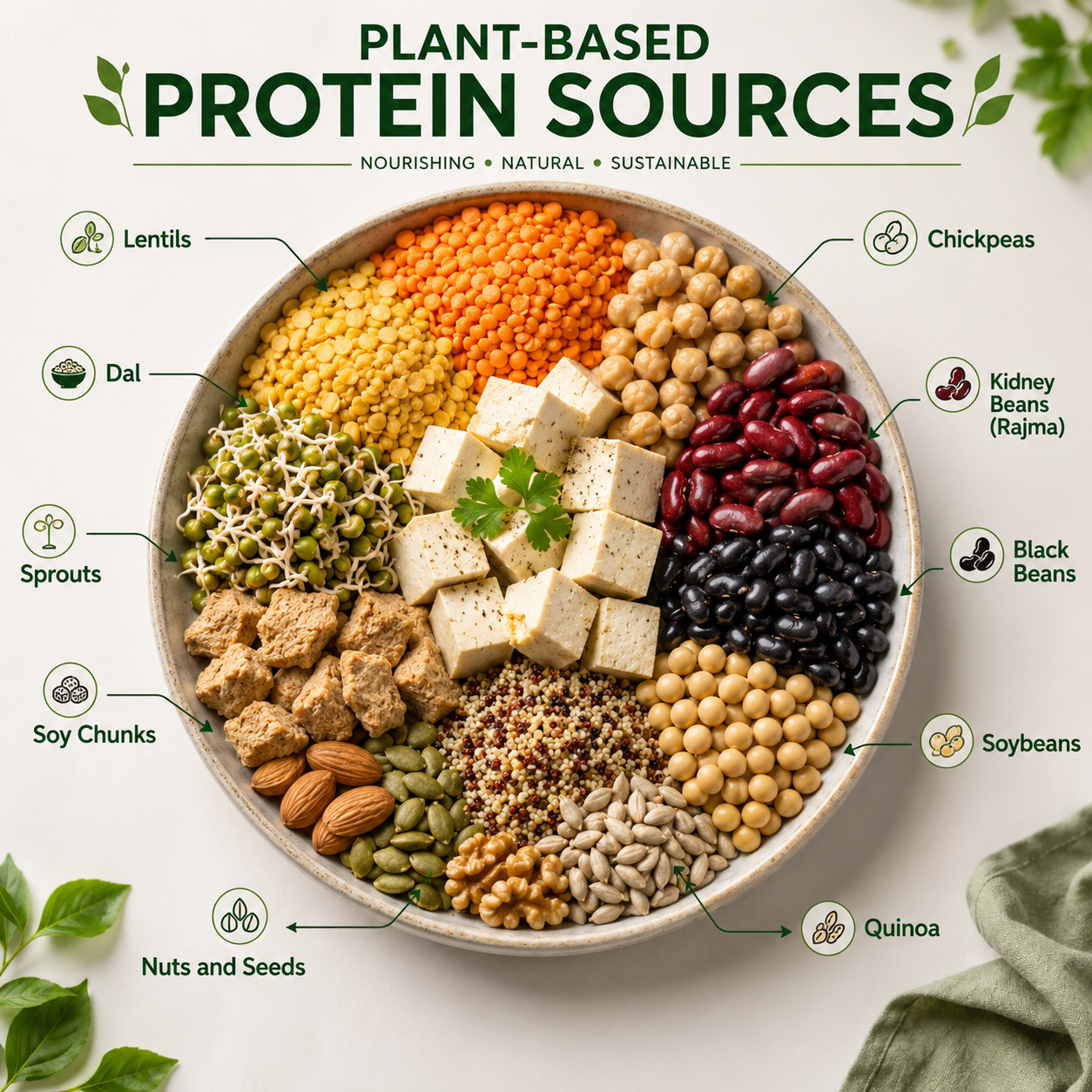
For vegetarians, protein can be obtained from foods such as:
- Lentils
- Dal
- Chickpeas
- Beans
- Tofu
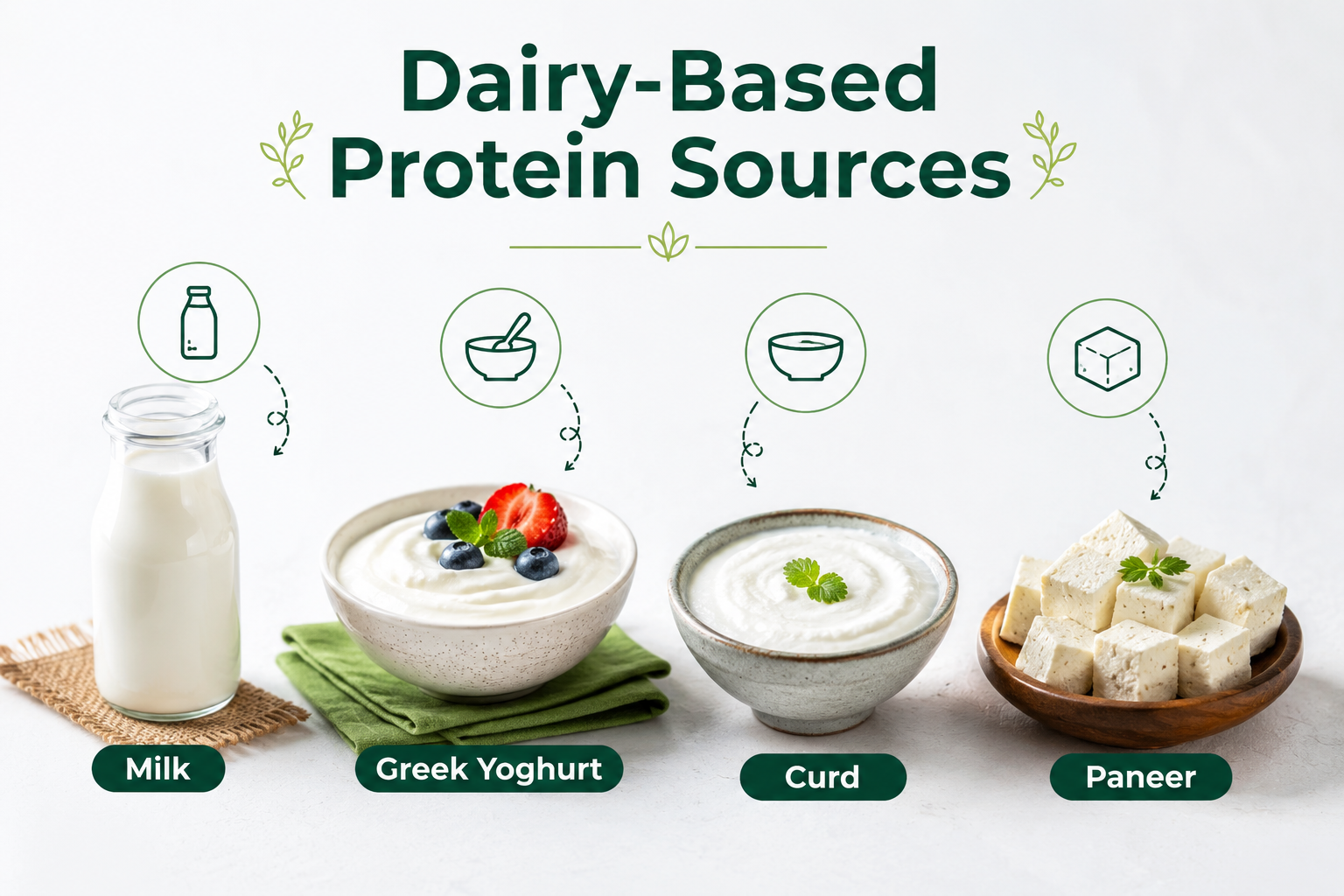
- Paneer
- Milk
- Yoghurt
- Soy products
- Nuts and seeds
1. Protein Helps You Feel Full for Longer
One of the biggest benefits of eating protein is its ability to help you feel fuller after a meal. When you feel satisfied, you may be less likely to snack frequently or overeat.
For example, a breakfast containing paneer, tofu, yoghurt, or moong dal chilla may be more filling than a meal made mostly of refined carbohydrates.
Including protein in your meals can therefore help you manage your appetite throughout the day.
2. Protein Can Help Control Hunger
Frequent hunger and food cravings can make weight loss difficult. Protein may help reduce feelings of hunger and support better appetite control.
Instead of eating a meal containing only carbohydrates, try combining carbohydrates with protein and fibre.
Balanced Meal Examples
- Roti with dal and vegetables
- Oats with milk and nuts
- Fruit with yoghurt
- Brown rice with rajma and vegetables
- Quinoa with tofu and salad
Balanced meals can help you stay satisfied for longer.
3. Protein Supports Muscle Maintenance
When you lose weight, your body may lose both fat and muscle. Getting adequate protein, especially when combined with regular exercise, can help support muscle maintenance.
Maintaining muscle is important because muscles play an essential role in strength, mobility, and overall body composition.
Strength training combined with a balanced diet and adequate protein may support healthier weight-loss results.
4. Your Body Uses Energy to Digest Protein
Your body uses energy to digest, absorb, and process food. This is known as the thermic effect of food.
Protein generally requires more energy to process compared with carbohydrates and fats. However, this effect alone is not enough to cause significant weight loss.
A healthy diet and overall calorie balance are still important.
How Much Protein Should You Eat?
Age-Wise Daily Protein Requirements
The following chart provides a general guideline for daily protein needs. Individual requirements may vary depending on body weight, physical activity, pregnancy, health conditions, and fitness goals.
| Age Group | General Protein Requirement |
|---|---|
| 1–3 years | Approximately 13 g per day |
| 4–8 years | Approximately 19 g per day |
| 9–13 years | Approximately 34 g per day |
| 14–18 years (Girls) | Approximately 46 g per day |
| 14–18 years (Boys) | Approximately 52 g per day |
| Women (19+ years) | Approximately 46 g per day |
| Men (19+ years) | Approximately 56 g per day |
Important Note: These are general recommendations and may not be suitable for everyone. Athletes, highly active individuals, pregnant or breastfeeding women, older adults, and people with certain health conditions may have different protein requirements.
Simple High-Protein Vegetarian Meal Ideas
Breakfast
- Moong dal chilla with mint chutney
- Oats with milk, nuts, and seeds
- Greek yoghurt with fruit
- Besan cheela with vegetables
- Paneer-stuffed whole wheat roti
Lunch
- Brown rice with dal and vegetables
- Roti with paneer and vegetables
- Rajma with brown rice
- Quinoa bowl with tofu and vegetables
- Chole with whole wheat roti
Healthy Snacks
- Roasted chickpeas
- Unsweetened yoghurt
- Sprouts chaat
- A small handful of nuts
- Roasted soy nuts
Dinner
- Dal with vegetables
- Tofu stir-fry
- Paneer tikka with salad
- Mixed bean curry with millet roti
- Vegetable and lentil soup
Tips for Adding More Protein to Your Diet
- Include a protein source in every main meal.
- Choose minimally processed foods whenever possible.
- Combine protein with vegetables and high-fibre foods.
- Pay attention to portion sizes.
- Stay physically active.
- Drink enough water.
Common Mistakes to Avoid When Eating More Protein
While protein can support your weight-loss goals, it is important to maintain a balanced diet. Avoid focusing only on protein while ignoring other essential nutrients.
Some common mistakes include:
- Eating excessive amounts of protein without considering overall calorie intake
- Choosing highly processed protein foods frequently
- Ignoring fruits and vegetables
- Not drinking enough water
- Depending only on protein supplements instead of whole foods
- Completely eliminating healthy carbohydrates
A healthy weight-loss diet should include a balance of protein, fibre-rich foods, healthy fats, and carbohydrates.
Conclusion
Protein can be an important part of a balanced vegetarian weight-loss diet. Including protein-rich foods throughout the day may help with fullness, appetite management and muscle maintenance.
The key is to focus on balanced meals, appropriate portions, regular physical activity and a variety of nutritious foods.